When you buy through links on our articles, Future and its syndication partners may earn a commission.

Every December, Earth plows through a dusty lane of debris in space, and the night becomes illuminated by streaks of meteors. This year's Geminids meteor shower peaked around Dec. 13, with generally favorable viewing thanks to a relatively dim moon.
The beauty of the Geminids was captured by astrophotographers worldwide, including well-known astrophotographer Josh Dury.
What is it?
A meteor isn't a "falling star" but instead a piece of space grit, usually no bigger than a grain of sand, hitting the Earth's atmosphere at tens of miles per second and vaporizing in a bright, brief flare.
The point from which the Geminids appear to originate (also called the radiant) sits in the constellation Gemini, near the bright star Castor, which is why the meteor shower is named the Geminids.
Where is it?
This image was taken near the Yucatán Peninsula in Mexico.

Why is it amazing?
According to Dury's instagram post on this image: "The Geminids are strange; unlike most meteor showers, they are not debris from a comet, but rather - an asteroid." The asteroid in question is 3200 Phaethon, which is known to act more like a comet than an asteroid.
"This narrative of asteroid fragments raining down conjured the image for me of the extinction of the dinosaurs when the Chicxulub asteroid impacted with the Earth," Dury told Space.com. "Utilizing this year's meteor shower over the fossilized dinosaur tracks, I was able to reconstruct the morbid scene that might well have been the final scene before life on earth changed as we know it."
Want to learn more?
You can learn more about meteor showers and astrophotography.
latest_posts
- 1
 2024's Savvy Home Gadgets for an Associated Way of life
- 2Picking Your Next SUV: 4 Brands Offering Execution, Solace, and Wellbeing
- 3Find the Advantages of Positive Nurturing: Supporting Cheerful and Sound Kids
- 4Top 15 Supportable Design Brands Coming out on top
- 5The 10 Most Noteworthy Games in History




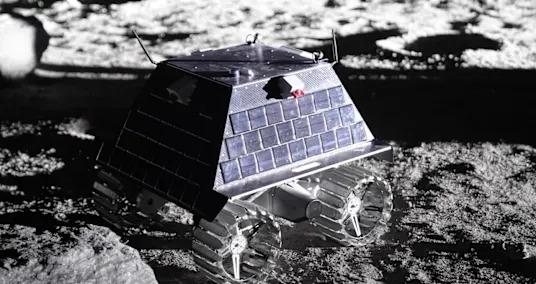
- Canada cancels its 1st moon rover: 'It's hopefully not a lost cause'
- Last supermoon of the year, the cold moon, seen across the U.S.: See the photos
- Surge of off‑lease electric vehicles expected to drive down used EV prices
- Astrophotographer captures rare footage of the Hubble Telescope crossing the sun (video)
- Physicists and philosophers have long struggled to understand the nature of time: Here's why
- Figure out how to Use Your Brain research Degree in the Gig Market
- Eco-Accommodating Kitchen Machines: 4 Picks for a Manageable Home
- UAE used military bases in Red Sea region to aid Israel's war against Hamas, leaks reveal
- Global measles cases drop 71% in 24 years as vaccination coverage improves, WHO says